
- All
- Product Name
- Product Keyword
- Product Model
- Product Summary
- Product Description
- Multi Field Search

Views: 188 Author: Site Editor Publish Time: 2025-11-04 Origin: Site


When it comes to hosting fun and memorable outdoor activities for children, few things are as exciting as a bounce house. These colorful inflatable structures provide endless entertainment while encouraging physical activity and social interaction. A properly used bounce house can transform a simple backyard gathering into a lively, memorable event for kids of all ages. As a first-time user, ensuring that your bounce house is correctly set up and maintained is crucial for the safety of its users and the longevity of the product. Guangzhou Shao Xiong Toys Co., Ltd., a leading manufacturer of high-quality inflatables, has been providing durable, well-designed bounce houses for customers worldwide. With over a decade of experience in the inflatable industry, the company emphasizes both quality and attention to detail, offering a wide range of sizes and designs to suit any event. In this guide, we will walk you through each step of the first-time setup, important safety checks, and ongoing care practices to ensure a fun and safe experience for everyone.
Selecting the right location for your bounce house is the first and most critical step in ensuring both safety and performance. A poorly chosen location can lead to accidents, damage to the inflatable, or reduced lifespan. Taking the time to evaluate your space carefully is a step that pays off in long-term usability and safety.
Before inflating your bounce house, inspect the ground thoroughly. A flat surface ensures stability during use and prevents tipping or uneven inflation. Remove any sharp objects, stones, sticks, or debris that could puncture or tear the inflatable material. Grass is ideal because it offers a softer landing surface, reducing the risk of minor injuries if a child falls. If a grassy area is unavailable, consider using protective mats under the bounce house when setting it up on concrete, asphalt, or other hard surfaces. This extra layer helps absorb impact and protects the inflatable material from abrasion.
Clearance above the bounce house is just as important as the surface below. Make sure there are no trees, power lines, or other obstacles overhead. These obstructions can pose serious safety hazards, especially when children are jumping high or playing energetically inside the structure. Even decorative items such as string lights or banners can become entanglement hazards. Ensuring an open area above the bounce house reduces the risk of accidents and makes setup easier.
Most bounce houses require a blower to maintain full inflation during use. Ensure your chosen location is near a reliable power source, preferably with grounded outlets. Avoid using overly long extension cords that may present tripping hazards or reduce blower performance. It’s also important to verify that the power source can handle the blower’s electrical load to prevent interruptions or overheating. In outdoor setups, consider using weatherproof covers for electrical connections to avoid exposure to moisture.
Proper setup is essential for both safety and optimal performance. Each step should be followed carefully to ensure that your bounce house operates correctly from the very first use. Rushing this process or skipping steps can compromise safety and reduce the overall enjoyment of the inflatable.
Begin by carefully unpacking the bounce house from its storage bag. Spread the inflatable flat on your prepared surface, making sure that all corners are fully extended and the material is free from folds. Check the inflatable for any visible defects, such as small tears or loose stitching, which could worsen during use. Taking the time to inspect and arrange the material properly ensures that the structure inflates evenly and maintains stability. Additionally, it helps you locate all necessary components, such as stakes, blower attachments, and sandbags.
Attach the blower to the designated air intake tube securely. Confirm that the connection is airtight to maintain steady inflation throughout use. Using the correct blower specified by the manufacturer is important, as overpowered or underpowered blowers can cause uneven inflation or damage. For larger bounce houses with multiple air chambers, ensure all inlets are connected correctly, and that the blower(s) are placed on a stable, level surface. Running the blower for a short period before fully inflating can help detect any air leaks early, allowing you to adjust the setup before children enter.
Turn on the blower and allow the bounce house to inflate fully. As it expands, monitor the structure to ensure that it rises evenly and that all walls and sections are fully inflated. Uneven inflation can create stress points that may reduce the lifespan of the material. Once fully inflated, anchor the bounce house using stakes, ground pegs, or weighted sandbags provided in the setup kit. Proper anchoring is essential to prevent tipping or shifting, particularly in outdoor settings with variable wind conditions. Even a slight gust can cause instability if the bounce house is not properly secured.
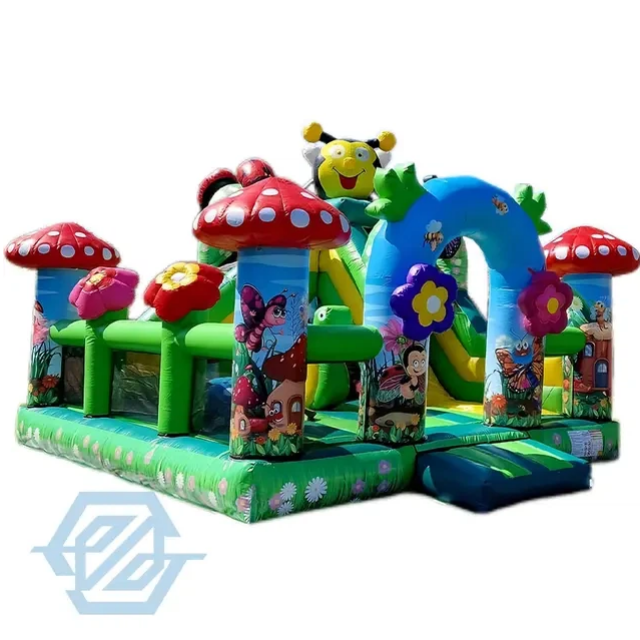
Even after proper setup, it is vital to perform final safety checks before allowing children to play. Safety precautions help prevent accidents and ensure that everyone enjoys the bounce house responsibly.
Perform a thorough inspection of the entire bounce house. Look for tears, punctures, or worn seams that may compromise safety. Pay close attention to high-stress areas such as corners, entry points, and sections near air tubes. Confirm that all zippers and Velcro closures are intact and functional. Repair any minor damage immediately using manufacturer-recommended patches or repair kits. This proactive approach minimizes the risk of larger tears or accidents during play.
Check that the bounce house is fully inflated and firm to the touch. Uneven inflation or sagging sections can lead to tripping hazards or reduce the quality of the bounce experience. Monitor the blower during use to ensure continuous airflow, as most bounce houses rely on constant pressure to maintain structural integrity. Encourage children to avoid leaning on or overinflating certain sections, as this can create stress points that compromise the material.
Setting clear rules for users is an essential step in maintaining a safe play environment. Limit the number of children inside according to the manufacturer’s guidelines, usually based on age, height, or weight limits. Children should remove shoes, glasses, jewelry, and sharp objects before entering the bounce house. Additionally, establish rules prohibiting rough play, climbing walls, or pushing other users. Supervising adults should monitor the bounce house continuously, ensuring that children play safely and adhere to all guidelines.
Caring for your bounce house after use is just as important as proper setup. Regular maintenance prolongs the life of the inflatable and ensures it remains safe for future use.
After playtime, turn off the blower and allow the bounce house to deflate completely. Use a soft brush, broom, or cloth to remove dirt, grass, or debris. For stubborn stains, a mild soap and water solution works well, but avoid harsh chemicals that could damage the PVC material. Ensure the bounce house is completely dry before folding and storing to prevent mold or mildew growth, which can degrade the material over time.
Fold the bounce house carefully according to the manufacturer’s instructions. Keep it in a cool, dry location, away from direct sunlight, rodents, and sharp objects. Using the original storage bag helps protect the inflatable and keeps all components organized, including stakes, sandbags, and the blower. Storage in a climate-controlled environment is ideal for extending the material’s lifespan.
Even when stored properly, regular inspections are necessary. Check seams, zippers, air tubes, and the blower periodically for signs of wear or malfunction. Addressing small issues promptly prevents them from developing into larger problems. Maintaining a repair kit on hand and following manufacturer-recommended maintenance schedules will ensure the bounce house remains in excellent condition and safe for repeated use.
In conclusion, proper first-time setup and ongoing care are essential for maximizing both the enjoyment and lifespan of a bounce house. By carefully selecting the location, following detailed setup steps, enforcing safety measures, and maintaining regular care routines, you can create a fun, safe, and memorable experience for children. Guangzhou Shao Xiong Toys Co., Ltd. is dedicated to producing high-quality inflatables that meet rigorous safety standards, offering diverse designs, sizes, and colors for all types of events. For more information or to explore our wide range of inflatable products, please contact us and learn how our inflatables can bring joy, excitement, and safe entertainment to your events.


