
- All
- Product Name
- Product Keyword
- Product Model
- Product Summary
- Product Description
- Multi Field Search

Views: 240 Author: Site Editor Publish Time: 2025-10-10 Origin: Site


Bounce house is one of the most beloved entertainment options for children’s parties, community events, and backyard fun. Its vibrant colors, playful designs, and exciting bouncy surface make it a centerpiece of joy. However, keeping your inflatable in pristine condition requires proper care, especially when exposed to outdoor elements. Guangzhou Shao Xiong Toys Co., Ltd., a trusted manufacturer of high-quality inflatables, emphasizes that protecting your bounce house from sunlight, rain, wind, and general wear is essential to ensure it lasts for many years. In this article, we will explore practical ways to shield your bounce house from environmental factors, prolonging its lifespan and keeping children safe during play. With careful attention and proactive measures, your inflatable can remain as safe and vibrant as the day you first purchased it.
Prolonged exposure to the sun can cause your bounce house to fade, weaken, and lose its elasticity. UV rays break down the synthetic materials, making them brittle and reducing overall durability. To protect your inflatable, consider several proactive measures:
One of the simplest methods to shield your bounce house from direct sunlight is using a tarp or a canopy. Setting up a waterproof and UV-resistant cover over your inflatable not only blocks harmful rays but also helps maintain a cooler surface temperature, making it safer and more comfortable for children to play. When choosing a tarp, select one with reinforced edges and strong grommets to secure it tightly around the inflatable. This prevents the cover from slipping during windy conditions and ensures consistent protection. Additionally, a canopy can provide a more permanent solution for frequently used bounce houses, especially in backyards or event spaces where repeated setup occurs.
Placement is a critical step in outdoor protection. Whenever possible, situate your bounce house under natural shade, such as trees or covered patios. Shaded areas reduce the intensity of direct sunlight, which minimizes UV damage and prevents overheating. While shade may not completely eliminate sun exposure, it significantly decreases the risk of material degradation over time. Additionally, natural shade often provides a more comfortable play environment for children, reducing the risk of burns from hot surfaces. Combining shade with a UV-resistant tarp or canopy provides the most effective protection against sun damage.
For additional protection, specialized UV-resistant sprays can be applied to the surface of your bounce house. These sprays create a protective layer that shields the inflatable from harmful ultraviolet rays. Regular application, particularly before long periods of outdoor use, ensures that the material maintains its elasticity and vibrant colors, extending the useful life of the inflatable. Some sprays also add a water-repellent feature, which can help protect against light rain or morning dew, adding an extra layer of defense. Always follow manufacturer instructions to ensure safe and effective use of these sprays.
Water exposure can cause serious problems if your bounce house is not handled correctly. Accumulated moisture encourages mold growth, weakens seams, and can lead to unpleasant odors. To prevent damage, follow these essential precautions:
If unexpected rain begins while your bounce house is in use, deflate it promptly. Keeping the inflatable in use during wet conditions increases the risk of slips and water damage. Quick deflation prevents water from pooling on the surface and entering seams or folds, which could compromise material integrity. It is also important to ensure that children are removed safely before deflating the inflatable to prevent accidents. A small investment in weather monitoring tools or simply checking local forecasts before setup can prevent most rain-related incidents.
After exposure to rain or damp conditions, it is crucial to dry the bounce house completely before storing it. Lay the inflatable flat on a dry, clean surface, and use towels or air drying to remove any remaining moisture. Moisture trapped inside the folds can lead to mold, mildew, and unpleasant odors, reducing the longevity of your inflatable. In larger inflatables, consider using fans or leaving the structure partially inflated to allow airflow through creases and folds. Regularly rotating sections during drying ensures all areas are thoroughly dried.
Proper storage is equally important as drying. Always store your bounce house in a dry, ventilated area, away from damp basements or unventilated sheds. Maintaining airflow around the inflatable prevents moisture buildup and protects the material from mildew. Consider using a storage bag specifically designed for inflatables to protect against dust and accidental punctures. For long-term storage, labeling the bag and storing in an area with moderate temperature fluctuations will also prevent stress on seams and material over time.
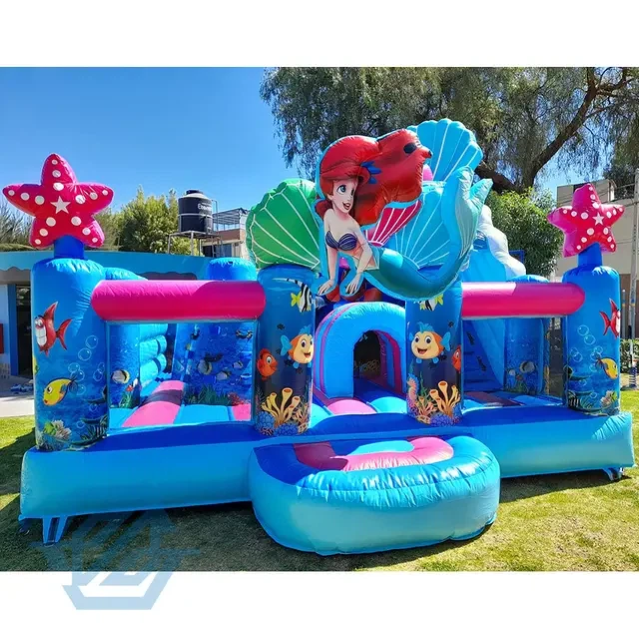
Wind and rough surfaces can also cause significant wear on your bounce house. Even moderate gusts can shift or destabilize an inflatable if it is not secured properly. To minimize the risk of damage:
Anchoring your bounce house using stakes or sandbags is vital when setting it up outdoors. Stakes driven into the ground or heavy sandbags help prevent the inflatable from moving, tipping, or flipping during sudden gusts. Proper anchoring ensures both safety for children and protection of your investment. For surfaces where stakes cannot be used, such as concrete or paved areas, sandbags or weighted anchors are excellent alternatives. Regularly checking the stability of these anchors during play sessions adds another layer of safety.
Placing a protective mat beneath your bounce house reduces wear and tear from the ground. Mats act as a barrier against abrasive surfaces, rocks, and rough patches that could puncture or abrade the inflatable material. Additionally, mats help keep the base clean, reducing the need for frequent washing. They also provide a soft buffer, which enhances safety during energetic play. For areas with high foot traffic or uneven surfaces, mats are a cost-effective solution to extend the bounce house’s usable life.
Whenever possible, choose flat, smooth surfaces for setup. Avoid areas with sharp objects, uneven terrain, or surfaces that could damage the base of the inflatable. Grass, soft soil, or specialized playground surfaces are ideal for preventing accidental punctures and extending the overall durability of your bounce house. When transporting the inflatable, inspecting the area beforehand and removing sticks, stones, or debris ensures a safer play area and protects the integrity of the material.
Routine care and maintenance are essential to ensure that your bounce house remains in top condition. Consistent attention to minor issues prevents major damage and keeps the inflatable looking vibrant.
Regularly cleaning your bounce house helps remove dirt, dust, and debris that can damage the material. Mild soap and water are typically sufficient. After cleaning, inspect seams, stitches, and surfaces for signs of wear or damage. Identifying issues early allows for timely intervention and reduces the likelihood of extensive repairs. Consider keeping a maintenance log to track cleaning schedules, repairs, and any noted wear to ensure nothing is overlooked.
Even small punctures or tears can escalate into serious problems if left unaddressed. Use repair kits recommended by the manufacturer to fix minor issues promptly. Timely repairs maintain structural integrity and prevent small problems from becoming larger, more expensive repairs. Some repair kits are designed for temporary fixes during events, while permanent solutions can be applied after the event. Ensuring you have these supplies on hand before outdoor use is a simple but effective precaution.
During off-season periods, ensure that the bounce house is stored correctly. Deflate completely, clean thoroughly, and store in a controlled environment. Seasonal storage in appropriate conditions minimizes exposure to environmental stressors and ensures the inflatable remains ready for future use. In climates with harsh winters or extreme heat, consider storing in insulated areas or climate-controlled storage to reduce material fatigue and prolong product life.
Protecting a bounce house from outdoor elements is essential for maximizing its lifespan, maintaining safety, and preserving its aesthetic appeal. By taking proactive measures against sun exposure, rain, wind, and abrasion, and by implementing regular maintenance routines, you can enjoy your inflatable for many years. Guangzhou Shao Xiong Toys Co., Ltd. is dedicated to producing high-quality inflatables designed for durability and fun, ensuring that every product brings happiness to families worldwide. For more details about our inflatable products and expert advice on protecting them from environmental factors, please contact us today.


