Many buyers assume that all bounce houses are essentially the same—until they make the wrong purchase. Parents sometimes buy a residential bounce house expecting commercial durability, only to see seams weaken after a few uses. At the same time, rental companies occasionally underestimate the importance of commercial-grade inflatables, leading to higher repair costs, safety risks, and lost bookings.
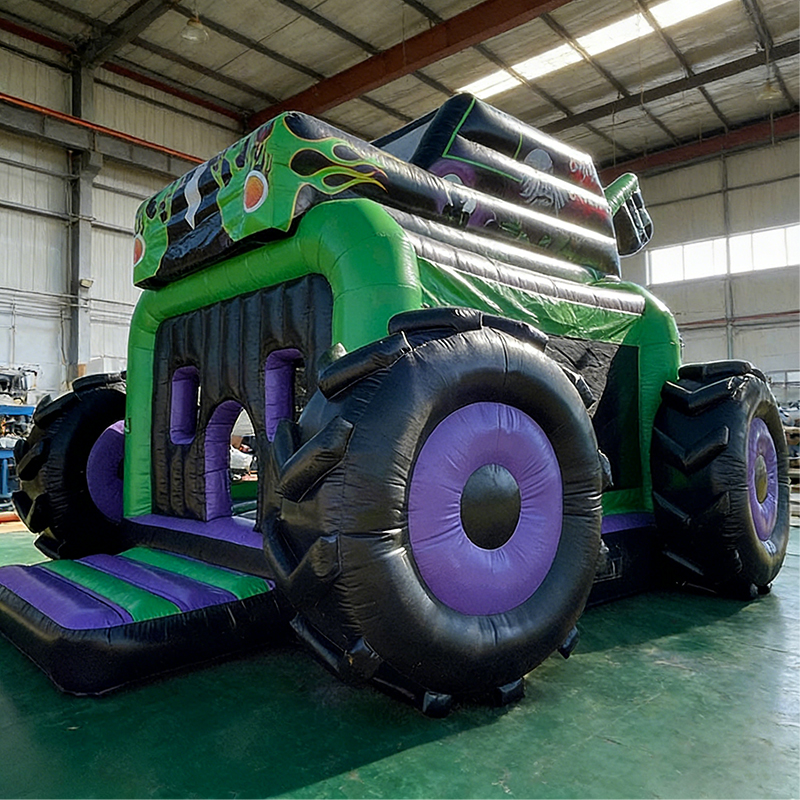
This confusion between commercial bounce houses and residential bounce houses can be costly. Choosing the wrong type affects safety, durability, usage frequency, and long-term value. For businesses, it can damage reputation and profitability. For families, it can lead to frustration and unnecessary replacements.
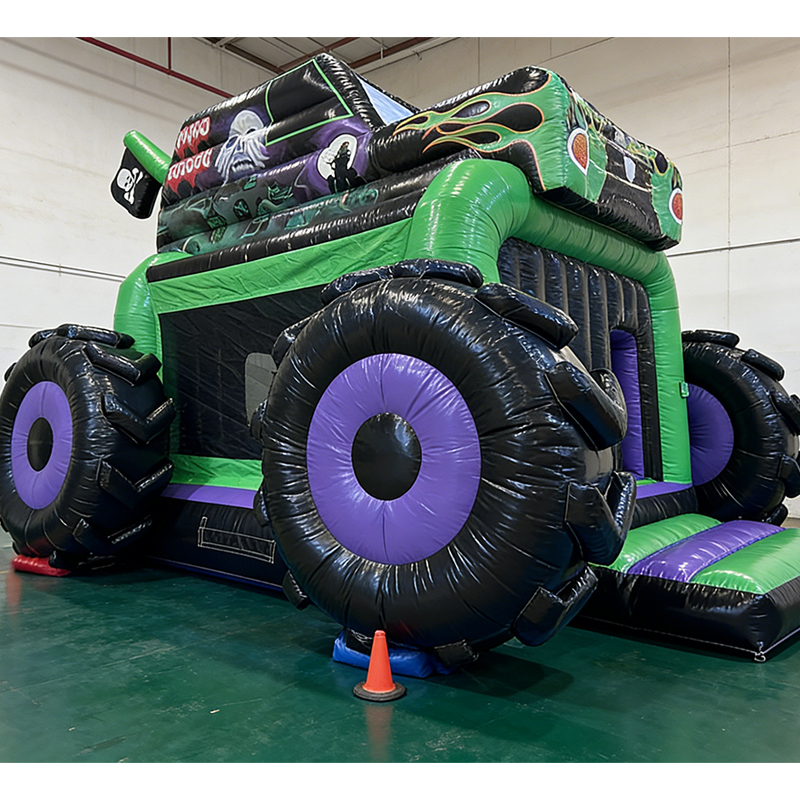
The solution is understanding the real differences between commercial and residential bounce houses. By comparing durability, materials, safety standards, usage scenarios, and cost-effectiveness, buyers can confidently select the inflatable that truly fits their needs.
So, what is the difference between commercial and residential bounce houses?
Commercial bounce houses are designed for frequent, high-traffic use with reinforced materials, higher safety certifications, and longer lifespans, while residential bounce houses are intended for occasional home use with lighter materials and simpler construction.
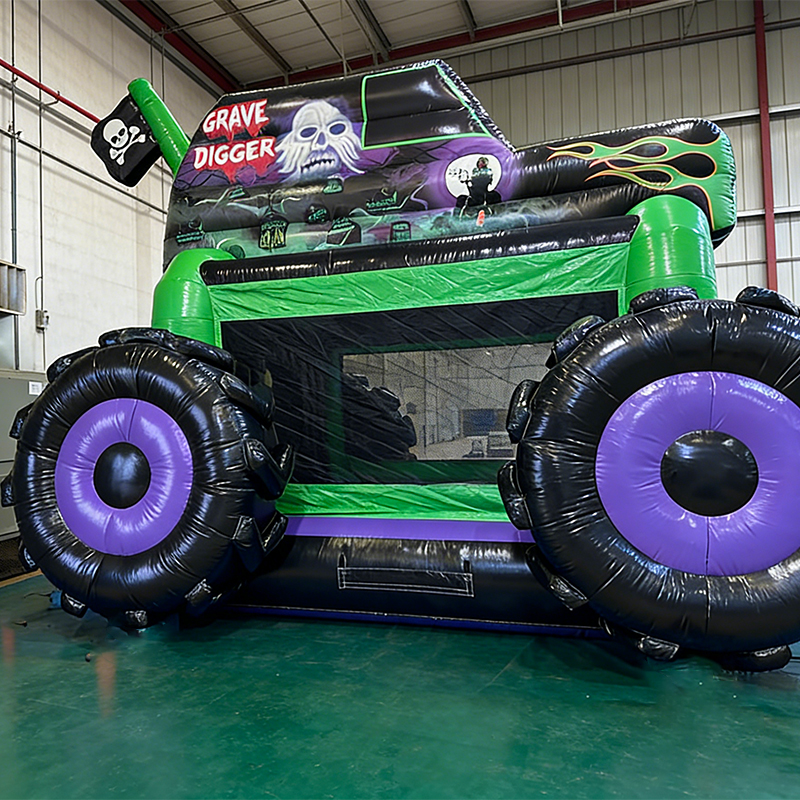
Both types serve important purposes, but they are built for very different usage environments. Understanding these differences is essential before making a purchase decision.
At first glance, commercial and residential bounce houses may look similar. However, the differences become clear when you examine materials, stitching, safety standards, installation, and long-term durability. Below, we answer the most common questions buyers ask when comparing these two types of inflatables.
Q&A SECTION
1. What is a commercial bounce house?
A commercial bounce house is an inflatable designed for professional and frequent use. These units are commonly used by:
Inflatable rental companies
Event planners
Schools and community organizations
Amusement parks
Resorts and family entertainment centers
Commercial bounce houses are engineered to handle multiple users, repeated setups, and long operating hours, often every day.
2. What is a residential bounce house?
A residential bounce house is designed for occasional home use, such as:
Birthday parties
Family gatherings
Backyard play
They are typically used a few times per year and are not intended for continuous or commercial operation.
3. Differences in material durability
Material quality is one of the most important distinctions.
Commercial Bounce Houses
Made from commercial-grade PVC tarpaulin
Thicker material (commonly 0.55mm or higher)
Waterproof, UV-resistant, and flame-retardant
Designed to resist tearing, stretching, and abrasion
Residential Bounce Houses
Result: Commercial bounce houses last significantly longer under heavy use.
4. Stitching and construction quality
Construction methods directly affect lifespan.
Commercial Units
Residential Units
This makes commercial bounce houses far more reliable in demanding environments.
5. Safety standards and certifications
Safety compliance is a major difference.
Commercial Bounce Houses
Typically comply with international standards such as:
CE
ASTM (USA)
EN71
EN14960
SOR/2011-17 (Canada)
These certifications are often required for:
Public events
Schools
Rental businesses
Residential Bounce Houses
Manufacturers like ShaoXiong specialize in producing fully certified commercial inflatables suitable for regulated markets worldwide.
6. Usage frequency and load capacity
Commercial Bounce Houses
Designed for continuous daily use
Higher weight capacity
Suitable for multiple children or adults
Can be used at back-to-back events
Residential Bounce Houses
Using a residential bounce house in a commercial setting significantly increases failure risk.
7. Installation and operational differences
Commercial Units
Residential Units
Ease of use favors residential units, while robustness favors commercial units.
8. Lifespan comparison
With proper care:
The difference is especially noticeable in rental or public-use environments.
9. Cost differences and long-term value
Residential Bounce Houses
Commercial Bounce Houses
For businesses, commercial inflatables are almost always more cost-effective.
10. Customization options
Commercial Bounce Houses
Custom logos
Brand colors
Unique layouts
Event-specific themes
Residential Bounce Houses
Limited customization
Standard designs
ShaoXiong offers OEM and ODM customization, allowing businesses to create branded inflatable solutions.
11. Maintenance and repair requirements
Commercial Units
Residential Units
Proper maintenance significantly extends commercial inflatable lifespan.
12. Which one should you choose?
Choose a commercial bounce house if you:
Operate a rental business
Host frequent events
Need certified safety compliance
Want long-term durability
Choose a residential bounce house if you:
Use it occasionally
Have limited space
Want simple backyard fun
Making the right choice prevents unnecessary costs and safety risks.

FINAL PARAGRAPH — SUMMARY
The difference between commercial and residential bounce houses lies in durability, safety standards, usage frequency, and long-term value. Residential bounce houses are suitable for casual home use, while commercial bounce houses are built for demanding environments where safety, reliability, and durability are critical.
If you are looking for high-quality commercial-grade bounce houses, ShaoXiong is a trusted inflatable manufacturer with 15 years of experience, offering customizable designs, certified safety standards, and factory-direct pricing.
Contact Kelly: ShaoXiong@hotinflatable.com
Visit: https://www.sx-inflatable.com/
Send your next title whenever you’re ready, and I’ll continue creating professional, high-converting inflatable content based on your exact requirements.


